Sudeep Shrestha

Runtipi vs Umbrel: Choosing the Right Self-Hosting Platform for Your Homelab

Self-hosting has become increasingly popular among developers, homelab enthusiasts, and privacy-conscious users. Instead of relying on third-party cloud providers, self-hosting allows you to run applications on your own infrastructure—giving you full control over your data and services. Two popular platforms that simplify this process are Runtipi and Umbrel. Both

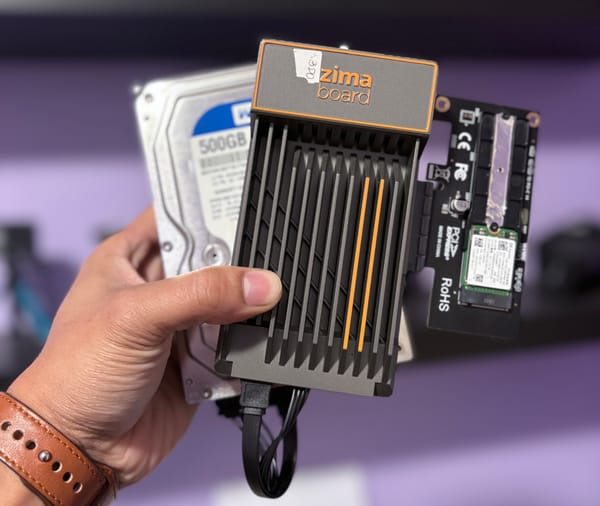
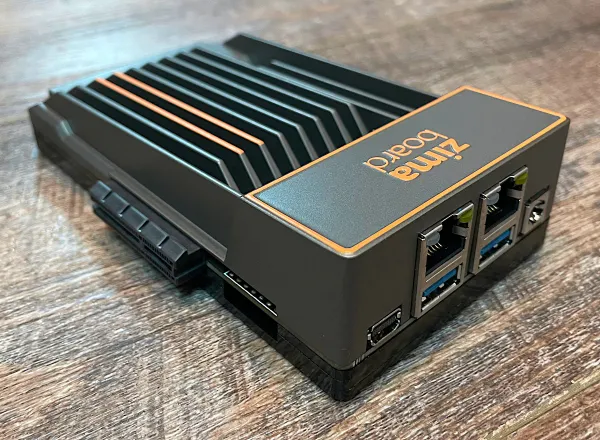
How I Turned My ZimaBoard Into a Powerful Home Server (Using PCIe NVMe + 500GB SATA HDD)

Home servers are becoming more popular than ever—whether for storing personal files, hosting media, running smart home applications, or experimenting with self-hosting. Recently, I converted my ZimaBoard into a fully functional home server by combining a PCIe NVMe drive for fast storage and a 500GB SATA HDD for extra

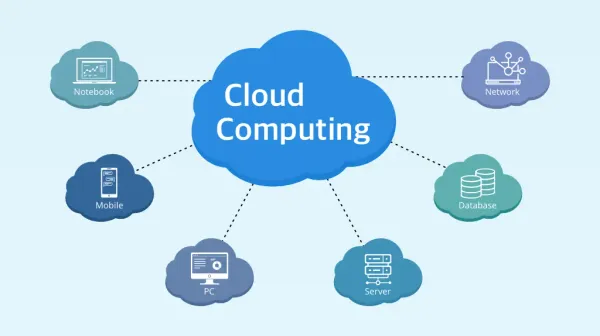
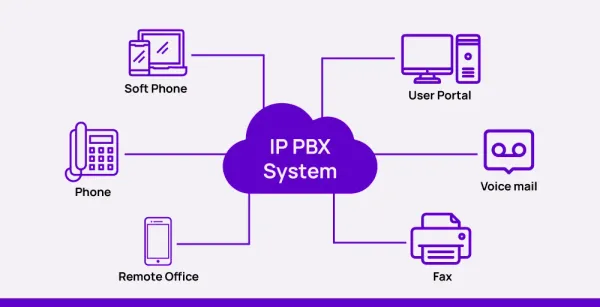
What is Cloud Computing?

Cloud computing refers broadly to delivering computing services (servers, storage, databases, networking, software, analytics, etc.) over the Internet (“the cloud”) rather than having local hardware and software on-site. Using cloud resources lets you scale up or down dynamically, pay for what you use, and offload much of the infrastructure management

How to Install Docker on Your Home Lab Server.

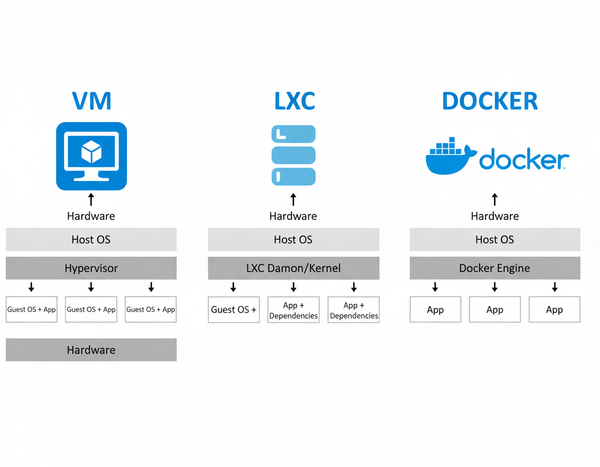
If you’re building a home lab, Docker is one of the most powerful tools you can add to your setup. It allows you to deploy applications in lightweight containers instead of full virtual machines—making everything faster, cleaner, and easier to manage. In this guide, I’ll walk you

Portainer: The Perfect Tool to Deploy, Monitor, and Manage Docker Containers

If you’ve ever deployed Docker containers at scale—or even on a home lab—you’ve probably realized that the command line can get repetitive pretty quickly. Sure, Docker CLI is powerful, but when you are running multiple containers, stacks, volumes, networks, and images, a visual management layer makes

Sudeep Shrestha © 2026