Sudeep Shrestha

Deploy Dashy — A Clean, Self-Hosted Homelab Dashboard

If you're running a homelab, you know the struggle: services scattered across different ports, IPs you can never quite remember, and browser bookmarks that spiral out of control. Dashy solves all of that with a beautiful, self-hosted dashboard that puts everything in one place — and it takes less

Getting Started with Dockhand: Modern Docker Management for Everyone

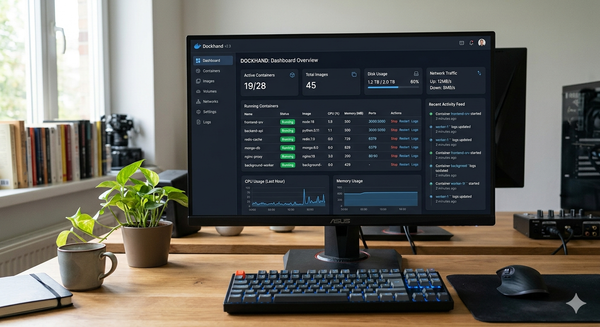
If you've been juggling Docker containers through raw CLI commands or wrestling with heavyweight management tools, Dockhand is the breath of fresh air your homelab deserves. It's a powerful, intuitive Docker platform that's free for homelabs and scales all the way to enterprise — without

Network UPS Monitoring Tools (NUT) with PeaNUT and Nutify Dashboards on Ubuntu/Debian

Keep your homelab protected. This guide walks you through installing NUT to monitor your UPS over the network, fixing the most common USB permissions pitfall, and deploying two excellent web dashboards — PeaNUT and Nutify — via Docker for a clean real-time view of your UPS status. What Is NUT? Network UPS

Runtipi vs Umbrel: Choosing the Right Self-Hosting Platform for Your Homelab

Self-hosting has become increasingly popular among developers, homelab enthusiasts, and privacy-conscious users. Instead of relying on third-party cloud providers, self-hosting allows you to run applications on your own infrastructure—giving you full control over your data and services. Two popular platforms that simplify this process are Runtipi and Umbrel. Both

Understanding Internet Speed: Bandwidth, Latency, and What Really Matters

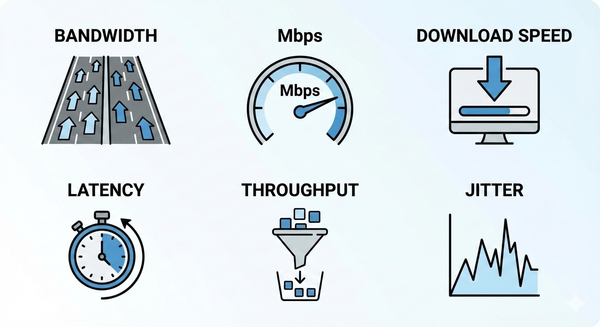
When shopping for internet service or troubleshooting a slow connection, terms like Mbps, bandwidth, and latency are often thrown around interchangeably. But they don’t all mean the same thing—and understanding the difference can help you choose the right plan and improve your real-world internet experience. Let’s break

Sudeep Shrestha © 2026